Toxics
Program Overview
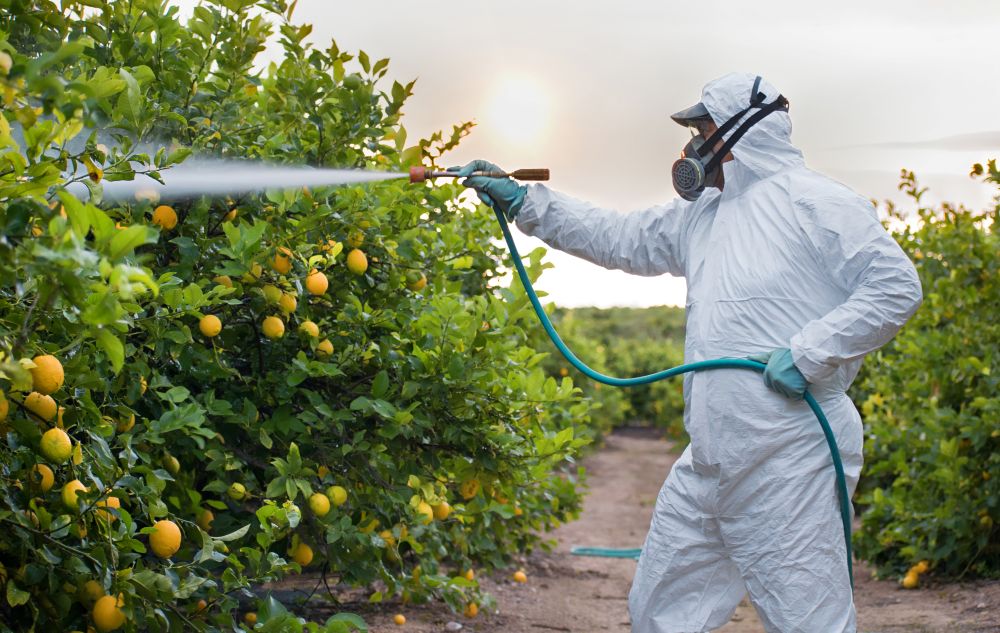
Toxic chemicals are all around us—lurking in our soil, our water, our food, and increasingly, in our bodies. From children’s toys, food containers, household cleaners and personal care, to pesticides in our food and chemicals used on non-stick cookware, these invisible substances are found in our everyday products and foods. Over decades, while the chemical industry has eluded regulatory measures, scientists have linked harmful chemicals to a wide range of health impacts from cancer, liver disease, altered immune and thyroid function to infertility, lower sperm count, asthma, and developmental effects on children.
Fortunately, this is a problem we can solve. The Toxics program strives to eliminate harmful chemicals and pollution that causes harm to humans and the planet. By enacting model policies, enforcing and protecting existing laws, using sound science and advances in green chemistry, and amplifying the voices of impacted communities, we can reduce exposure to harmful chemicals and protect future generations.

Strategies
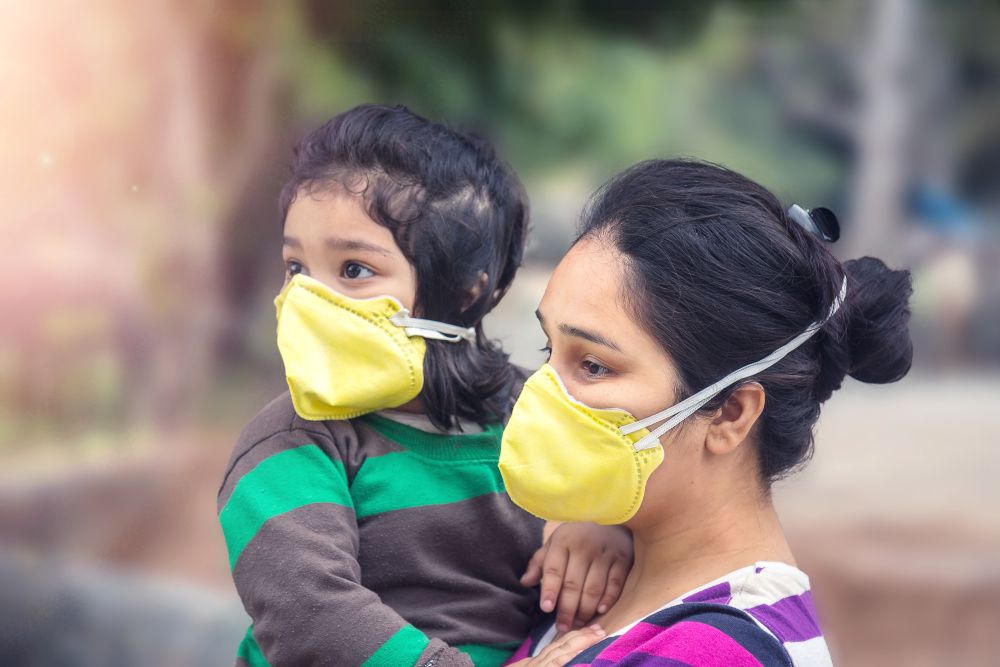
Catalyze policies and rulemaking to protect the health of individuals, families and workers in the US, in the European Union, and globally.
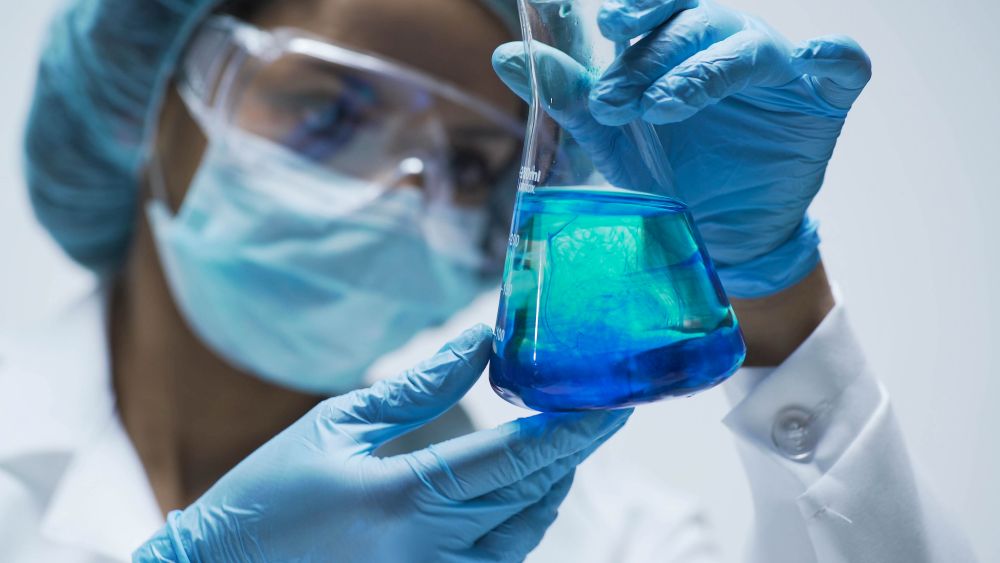
Create incentives and apply pressure to transform markets that produce hazardous chemicals and promote safer alternatives.

Draw attention to the growing public health effects of harmful chemicals, including chemicals in plastics, by supporting scientists, advocates, emerging leaders, and community members to use their stories and expertise to spur action.
Recent Grantees
Breast Cancer Prevention Partners
Core support for Breast Cancer Prevention Partners’ focus on breast cancer prevention, working to eliminate toxics chemicals and environmental exposure linked to the disease.
Beyond Plastics
Core support for Beyond Plastics’ mission to end plastics everywhere. They highlight plastics issues and draw media and decision-makers attention to them, promote sound policies, and train organizers in states and local communities to support plastics reductions goals.
CHIPS Communities United (CCU)
Project support for CCU’s work to eliminate PFAS from chip-making waste streams into our rivers. CCU is the only organization in the country presenting a more nuanced narrative about chip-making and organizing to eliminate chip waste.
Collaborative for Health and Environment
Core support for CHE, an action-oriented learning community that amplifies the latest scientific evidence and shares knowledge and resources to protect individual and collective health and support science-based decision-making.
ChemSec
Project support to create safe consumer products and products for professional use by restricting the most harmful chemicals. ChemSec works to ensure that chemical restrictions within the EU are the most inclusive and efficient possible.
Pesticide Action Network Europe (PAN Europe)
Project support to reduce the use of hazardous pesticides in the EU to protect human health and the environment. This grant focuses on effective implementation of the EU regulation on Sustainable Use of Pesticides (SUD), on restricting use of hazardous chemicals – co-formulants – in pesticide manufacture and on achieving a ban on EU exports of banned pesticides to third countries.

Connect With Us
The Toxics Grant Program has three grant cycles annually. Proposals are by invitation only. The Toxics program currently focuses on organizations based in the US and European Union.